


Facts about floods aren’t exactly everyday conversation, but flooding affects far more people and property than most of us assume. It’s one of the most common natural disasters in North America, and it tends to show up in ways people don’t expect. Understanding a few key facts about floods goes a long way toward helping property owners grasp their real risk and act on it before the water arrives.
At Flood Risk America, we spend a lot of time talking with commercial property owners, municipalities, and infrastructure teams across the country. The common thread? When people understand how floods actually behave and what the data really means, they make far better, more confident decisions about protection. Here are ten facts about floods every property owner should know.
Fact #1: Flooding Isn’t Just a Coastal Problem
One of the most persistent myths is that floods only threaten coastal or low-lying areas. In reality, flooding can happen almost anywhere. Heavy rain, snowmelt, overwhelmed drainage, river overflow, and infrastructure failure all cause inland flooding. Urban areas are especially vulnerable, since paved surfaces prevent water from being absorbed. Over 40% of flood insurance claims come from properties outside designated high-risk zones.
Fact #2: The Planet Has Lost Trillions of Tons of Ice
Melting glaciers and ice sheets feed sea-level rise, which worsens coastal flooding and storm surge. That loss also disrupts weather patterns, driving heavier rainfall events well inland. Much of what scientists once projected for “decades from now” is already happening.
Fact #3: A “100-Year Flood” Can Happen More Than Once
The term is widely misunderstood. A 100-year flood doesn’t occur once per century – it has a 1% chance of happening in any given year. That means it can strike twice in a decade, or in consecutive years. Many engineers now encourage planning for 500-year events, which carry a lower annual chance but far greater impact.
Fact #4: Coastal Flooding Has Surged in Just Decades
In some regions, coastal flood frequency has climbed dramatically over the last half-century, driven by rising seas, sinking land, and stronger storms. Events once considered “rare” now recur multiple times a year in certain areas.
Fact #5: Flood Damage Happens Fast
Water doesn’t need much depth or time to cause serious loss. Just one inch of water can cause thousands of dollars in damage, and electrical systems, HVAC units, elevators, and data rooms are often hit first. Most flood-related losses come from damage to building systems and operations – not just visible water.
Fact #6: Floodwater Is Astonishingly Powerful
Only 12 inches of fast-moving water can carry away vehicles, containers, and heavy equipment. Floodwater force increases exponentially with speed, which is why even shallow moving water is genuinely dangerous to people, buildings, and infrastructure.
Fact #7: Flood Maps Don’t Tell the Whole Story
Flood maps are useful but far from foolproof. Many are outdated and don’t reflect new construction, changing drainage, heavier rainfall, or rising water levels. Properties labeled “low risk” can still face serious exposure during extreme weather.
Fact #8: Flood Insurance Is Not Flood Protection
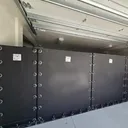
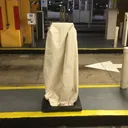
Insurance is an important financial tool, but it doesn’t stop water from entering your building, may not cover every loss, and can’t prevent downtime. Only physical flood mitigation – deployable barriers and site-specific protection plans – actually reduces damage. The most cost-effective strategy combines both.
Fact #9: Floods Happen Year-Round
Flooding isn’t confined to hurricane season. Snowmelt, spring rain, summer storms, fall hurricanes, and winter rain-on-snow events can all trigger floods. Seasonal assumptions leave properties unprepared when water arrives outside the “expected” window.
Fact #10: Planning Ahead Is Always Cheaper Than Recovery
Emergency response mid-flood is chaotic and expensive, and retrofitting after the fact often costs far more than proactive planning. A well-designed protection plan reduces damage and cleanup, minimizes downtime, protects people, and preserves property value. Every dollar spent on mitigation can save several in recovery.
Turning Facts Into Readiness
Floods are more than rising water – they’re fast, powerful events that can reshape a property in hours. But knowledge turns uncertainty into readiness. Understanding these facts about floods is the first step; acting on them is the one that protects your property.
Contact Flood Risk America to discuss a flood protection solution built around your building’s real risk.