


Not every flood comes from a hurricane or an overflowing river. Some of the most damaging – and most overlooked – floods come from rain alone. Heavy rain floods happen when rainfall arrives faster than the ground and drainage systems can handle it, and they can strike almost anywhere, including areas far from any coast or floodplain.
The good news: with the right preparation, heavy rain floods are among the most preventable. Here’s how they happen and what property owners can do to stop them.
What Causes Heavy Rain Floods
Heavy rain floods, sometimes called pluvial or surface-water floods, occur when the volume of rain overwhelms the local capacity to absorb or drain it. Several factors make them worse:
- Paved and developed surfaces that prevent water from soaking into the ground
- Overwhelmed or aging drainage systems never designed for today’s rainfall intensity
- Blocked drains, gutters, and grates that back water up around buildings
- Low-lying or poorly graded sites where water naturally collects
- Intense, short-duration storms dropping large amounts of rain quickly
Because these floods don’t depend on rivers or coastlines, they routinely catch property owners off guard, including those who assume a “low-risk” flood-map designation means they’re safe.
How to Prevent Heavy Rain Floods
Prevention works best in layers, combining site maintenance, drainage improvements, and physical barriers:
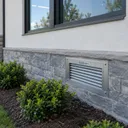
- Start with drainage and grading. Keep gutters, downspouts, drains, and grates clear so water can move away from the building. Ensure the ground slopes away from the structure, not toward it, and address any low spots where water pools.
- Improve water management where you can. Depending on the property, that might mean upgraded drainage, French drains, retention areas, or permeable surfaces that give water somewhere to go besides your building.
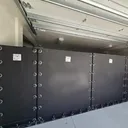
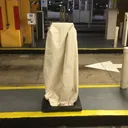
- Protect the openings. When rainfall does exceed what drainage can handle, physical flood barriers are what actually keep water out. Door and threshold protection, deployable panels, and passive barriers seal the points where surface water would otherwise enter.
- Prioritize the vulnerable spots. Garages, basements, ground-floor entries, and below-grade access points flood first. Protecting these openings delivers the most benefit for the investment.
Why Barriers Matter for Rain Flooding
Drainage improvements reduce the odds of a flood, but they can’t guarantee it. Storms are getting more intense, and many older drainage systems simply weren’t built for today’s rainfall. That’s where engineered barriers can protect your property against costly flood damage.
FRA’s flood barriers are engineered to exceed FEMA and NFIP guidelines, U.S. Army Corps of Engineers standards, and FM Approval requirements, so your building is protected even when the drainage isn’t enough.
Don’t wait for the next downpour to find your building’s weak point. Contact Flood Risk America to learn how to protect your property from heavy rain floods.