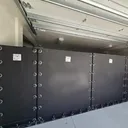


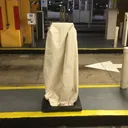
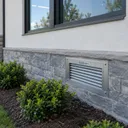

Flooding used to feel like a coastal or “high-risk zone” problem – something that happened to other people, in other places. That’s no longer true. Heavier rainfall, aging drainage systems, and expanding development mean homes far from any shoreline are now flooding, often for the first time. For homeowners, a flood protection barrier for homes has shifted from a niche precaution to a genuinely smart investment.
Here’s what these barriers do, the forms they take, and how to think about protecting your home before the next storm.
Why Homes Need Dedicated Flood Protection
Not all flood protection needs to be the same. For occasional, lighter flooding – a few inches up to roughly a foot of water, or the nuisance pooling that shows up after a heavy rain – off-the-shelf products like standard barriers and door dams can do the job well. They’re affordable, easy to deploy, and a smart first line of defense when the risk is low and infrequent.
But if your flooding is getting worse year over year, a generic product may not be enough. And many homeowners now are becoming increasingly worried about the worsening flood risks across the globe. This is where custom-fit, higher-quality flood protection earns its place. Engineered to your home’s specific openings and rated for greater depth and water pressure, these systems seal where it matters most and hold up when conditions turn serious.
Ultimately, it comes down to what’s at stake. Your home is likely the biggest investment you’ll ever make, and flood damage rarely stays small – a single event can run into the thousands, or tens of thousands, once you account for structural repairs, ruined flooring, damaged drywall, mold remediation, and lost belongings. Matching the strength of your protection to the severity of your risk isn’t overspending. It’s protecting the one thing you can’t afford to lose.
Types of Flood Protection Barriers for Homes
Home flood protection isn’t one-size-fits-all. The right choice depends on your home’s layout, your flood risk, and how much warning you typically get. Common options include:
Door and threshold barriers that seal individual entry points against rising water
- Deployable panel systems installed across openings when flooding is expected
- Passive barriers that activate automatically, with little or no manual effort
- Perimeter barriers that protect the property line or a specific vulnerable area
- Garage barriers for one of a home’s widest and lowest openings
Many homeowners combine a couple of these, matching stronger, always-ready protection to their highest-risk openings and simpler deployable options elsewhere.
Choosing the Right System for Your Home
Start with honesty about your risk. How has water moved around your property in past storms? Where does it pool? Which openings sit lowest? A barrier is only effective if it’s protecting the paths water actually takes.
Next, consider timing and effort. If flooding in your area tends to arrive fast or overnight, a passive system that doesn’t rely on you being home is worth prioritizing. If you usually get warning and can deploy protection, a deployable system may be a cost-effective fit.
FRA’s residential-capable barriers are engineered to exceed FEMA and NFIP guidelines, U.S. Army Corps of Engineers standards, and FM Approval requirements — the same performance standards we apply to commercial and municipal projects. Your home gets protection built to the same bar as a hospital or parking structure.
Protecting your home before the next storm is far easier — and far cheaper — than recovering after it. Contact Flood Risk America to find the right flood protection barrier for your home.