


Recent California flooding and natural disaster events highlight the state’s increasing vulnerability to extreme flooding. Days of relentless storms battered California over Christmas week, leaving behind widespread damage:
- Flash flooding inundated roads, neighborhoods, and critical infrastructure
- Mudslides and debris flows threatened communities, particularly near burn scars
- High winds knocked down trees and power lines
- A rare EF-0 tornado touched down in Boyle Heights on Christmas Day, damaging roofs, shattering windows, and scattering debris
Although conditions may briefly improve, flooding at this scale alters the ground, making it less able to absorb water and more prone to runoff. Each major flood reduces the land’s ability to absorb water, making future storms more destructive and more likely to cause life-threatening flooding. With more atmospheric river systems expected, this marks the beginning of a pattern, not an isolated event.
Dangerous California Flooding Risks
Northern California was hit especially hard by the first storm system. In Redding, roughly 150 miles north of Sacramento, flash flooding claimed at least one life after a vehicle was inundated by rising waters. Police and fire crews carried out water rescues throughout the city as nearly a month’s worth of rain fell in just two days, with some locations measuring more than five inches.
Emergency responders across Shasta County handled numerous calls for stranded motorists as floodwaters washed out roads and submerged portions of Interstate 5. In neighboring Humboldt County, floodwaters reached chest-deep levels in some areas, forcing deputies to rescue residents from stalled vehicles and flooded homes, sometimes by boat or jet ski.
Even as floodwaters began to recede, officials warned of ongoing risks from washed-out roadways, debris flows, and mudslides, urging residents to remain vigilant ahead of additional storms.
Rare California Flooding Are Now Becoming Routine
During the California flooding event over the holidays, forecasters issued rare, high-level flood risk warnings for parts of Los Angeles, San Bernardino, and Santa Barbara counties, particularly in mountainous areas and burn scars left by recent wildfires. These vulnerable landscapes are especially prone to debris flows, where even moderate rainfall can trigger fast-moving, destructive slides.
Millions of residents are now under flood watches, with evacuation orders issued in areas where soil conditions can no longer absorb additional rainfall. Strong winds accompanying the storms also raise concerns about power outages and downed infrastructure.
According to the Weather Prediction Center, high-risk flood events are issued on fewer than 4% of days per year, yet they account for:
- Over 80% of all flood-related damage
- More than one-third of flood-related deaths
California flooding during Christmas week falls squarely into that high-risk category. Rising rivers, including the South Yuba River in Placer County, prompted evacuations, with residents forced to leave their homes as water levels climbed. As storms stack back-to-back, rivers and drainage systems have little time to recover, dramatically increasing flood severity.
Atmospheric Rivers and Burn Scars Changing California Flooding Reality
California’s recent flooding is not an isolated weather anomaly, it is the result of compounding forces that are fundamentally changing how water moves across the landscape. Last year’s severe wildfires have left lasting scars across mountainous and urban-edge regions, dramatically increasing flood vulnerability when heavy rain arrives.
Atmospheric rivers (long corridors of moisture that transport massive amounts of water vapor from the Pacific Ocean to the West Coast) play a vital role in replenishing water supplies. However, as these systems become stronger and more frequent, they are delivering rainfall faster than landscapes and infrastructure can safely absorb.
California flooding risk is amplified by several converging factors:
- Wildfire burn scars, where vegetation loss and hydrophobic soils cause water to repel rather than absorb, accelerating runoff
- Urban development in flood-prone areas, limiting natural drainage and increasing surface flooding
- Aging stormwater and flood control infrastructure, often designed for historical rainfall patterns rather than today’s extremes
The result is a heightened risk of flash flooding, debris flows, and infrastructure failure, even during storms that might once have been considered manageable.
What This Means for Flood Preparedness in California
Effective flood preparedness now requires:
- Comprehensive flood vulnerability assessments
- Site-specific, engineered flood protection solutions
- Planning for burn scar runoff, debris flows, and flash flooding
- Infrastructure designed for future climate conditions, not past averages
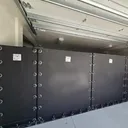
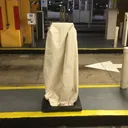
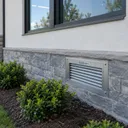
As California braces for additional storms, preparedness can make the difference between temporary disruption and catastrophic loss. As flood experts, we work with municipalities, commercial facilities, and critical infrastructure owners to design custom flood protection solutions that reflect today’s realities.
From engineered flood panels to long-term flood planning and vulnerability assessments, our approach recognizes that extreme weather is becoming the norm, not the exception. To learn more, contact Flood Risk America and speak to a flood expert today.