


When people think about devastating floods, they often picture overflowing rivers, hurricanes, or massive storm surges. What’s often overlooked, however, is how even one inch of water entering a building can trigger serious financial consequences. When it comes to insurance and flooding, minor flood events are frequently underestimated, yet they can still result in thousands of dollars in damage, business disruption, and long-term costs.
Even small amounts of water can impact a property in significant ways. Here’s how just one inch of flooding can quickly escalate into a major financial burden.
7 Types of Costly Flood Damage
- Damage to Flooring and Carpeting
Flooring and carpeting are typically the first areas affected by floodwater. An inch of water is enough to warp hardwood floors, saturate carpets, and create the perfect environment for mold and bacteria. Once moisture penetrates these materials, they often can’t be salvaged.
Even when insurance and flooding coverage are in place, replacing commercial-grade flooring can be expensive and time-consuming. In many cases, full replacement is required to prevent long-term health risks, driving costs into the thousands of dollars.
- Damage to Drywall and Insulation
Drywall absorbs water quickly and allows moisture to wick upward, often spreading damage far beyond the visible waterline. Insulation inside the walls becomes saturated as well, rendering it ineffective and unsafe.
Repairing this type of damage requires cutting out affected drywall, replacing insulation, and repainting – a process that adds up quickly, especially in larger buildings. When dealing with insurance and flooding, these hidden costs are often underestimated until repairs begin.
- Electrical and HVAC Systems
Even minimal flooding can compromise electrical systems and HVAC equipment. Outlets, wiring, electrical panels, and mechanical components must be inspected after water exposure to ensure safety and prevent future failures.
These inspections and repairs often come with high labor and replacement costs. In many cases, insurance and flooding policies may cover part of the expense, but deductibles and coverage limits still leave property owners with significant out-of-pocket costs.
- Furniture, Appliances, and Inventory Loss
Water damage doesn’t stop at the structure itself. Furniture, appliances, and stored inventory are all vulnerable, particularly when items are kept on the floor or low shelving.
For businesses, this can mean lost products, damaged equipment, and delayed operations. Even when insurance and flooding coverage applies, replacing inventory and equipment can disrupt cash flow and impact customer relationships.
- Mold Growth and Health Risks
Mold can begin developing within 24 to 48 hours of water exposure. Once mold sets in, it creates serious health risks and requires specialized remediation. Mold removal is costly and time-intensive, often involving professional remediation teams and material replacement. Delays in cleanup can increase both health risks and repair expenses, and these costs are not always fully covered under standard insurance and flooding policies.
- Business Interruption Costs
For businesses, the financial impact goes beyond physical damage. Flood cleanup, inspections, and repairs can force temporary closures, sometimes lasting days or weeks. Each day of downtime means lost revenue, potential loss of clients, and operational setbacks. Even with business interruption coverage, insurance and flooding claims may not fully compensate for long-term losses.
- Insurance Deductibles and Rising Premiums
While insurance can help offset flood-related losses, many policies come with high deductibles and strict limitations. Filing a claim can also result in higher premiums in future years. Understanding the relationship between insurance and flooding is critical. Policyholders often discover coverage gaps only after a flood occurs, leaving them responsible for substantial out-of-pocket expenses.
Practical Steps to Reduce Damage From Minor Floods
Because even small floods can be financially devastating, proactive protection is crucial to prevent damage and keep your property resilient in the face of extreme weather. Here are key steps property owners can take:
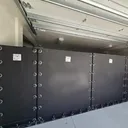
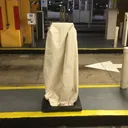
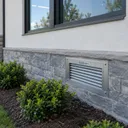
- Install Flood Barriers – Customized flood panels help prevent water from entering vulnerable entry points.
- Store Items Above Floor Level – Elevate inventory, equipment, and valuables using shelving or pallets.
- Create a Flood Response Plan – A clear, actionable plan allows for faster response and reduced damage. Flood Response Assistance provides professional flood preparedness and response planning.
- Perform Regular Maintenance – Ensure drainage systems, sump pumps, and protective equipment are functioning properly.
- Review Flood Insurance Coverage – Even in low-risk areas, reviewing insurance and flooding coverage can help identify gaps, deductibles, and exclusions before an event occurs.
Key Takeaways
It’s a common misconception that only large-scale floods cause serious damage. In reality, even one inch of water can lead to extensive repairs, business disruption, and costly insurance claims. Understanding the risks associated with insurance and flooding, along with taking proactive protective measures, can significantly reduce losses and speed up recovery.
Flooding often strikes with little warning. Being prepared, rather than reactive, is the key to protecting your property and financial stability. Contact us today to learn more about customized flood panels and proactive flood protection solutions for your home or business.